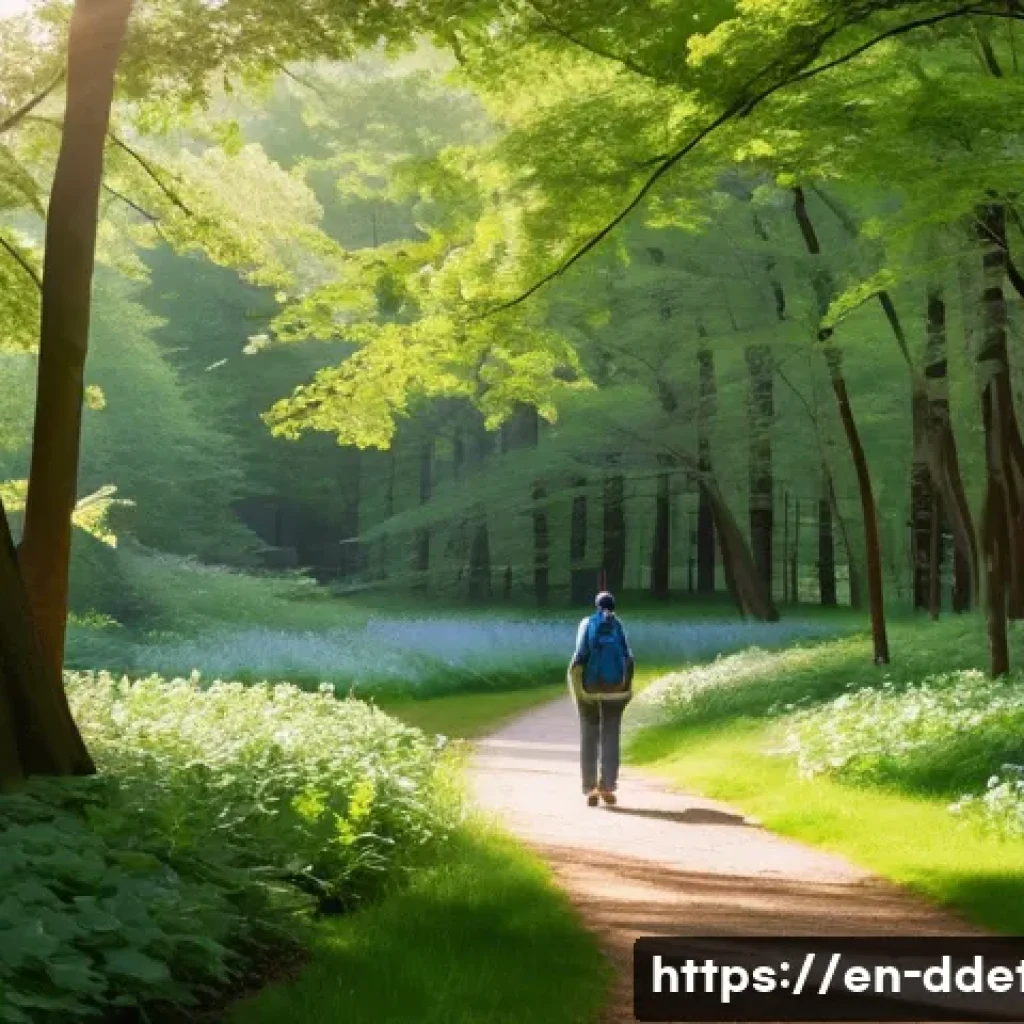
Ever feel like your mind is constantly buzzing, caught in the endless scroll of your digital world? I know I do, and lately, I’ve really been reflecting on how deeply our screen habits intertwine with our connection to the world around us.

It’s fascinating, isn’t it, how a simple act like taking a break from our devices can suddenly make us more present, more aware of the birds chirping outside our window or the fresh air we’re breathing?
From my own journey, I’ve discovered that embracing a digital detox isn’t just about disconnecting; it’s a powerful step towards reconnecting with nature and fostering a deeper environmental mindfulness.
It helps you see the bigger picture, not just the pixels. Curious to see how this simple shift can transform your perspective and well-being? Let’s explore exactly how it all works!
Reclaiming Your Senses: The Immediate Impact of Disconnecting
Noticing the Little Things Again
You know that feeling, right? That constant low hum of notifications, the magnetic pull to check your phone “just one more time.” I’ve been there, countless times.
But what I’ve genuinely discovered is that the moment you intentionally step away, even for a short while, your world starts to bloom in ways you hadn’t even realized it had dulled.
It’s like turning down a constant background noise you didn’t know was there, and suddenly, the subtle sounds of life come flooding in. I remember one afternoon, after deciding to leave my phone at home for a walk, I actually *heard* the rustle of leaves under my feet, the distinct chirping of different birds, and even the distant, comforting rumble of a garbage truck.
These weren’t new sounds, of course, but my brain, unburdened by the urge to scroll or reply, could finally process them. It felt incredibly refreshing, almost like my senses were getting a long-overdue cleanse.
It’s a powerful reminder that our digital devices, while offering connection, can sometimes be a barrier to truly experiencing the richness of our immediate surroundings.
A Boost for Your Brain and Body
Beyond just hearing more, the physical and mental benefits hit you pretty quickly too. When I’m constantly online, my eyes feel strained, my shoulders are hunched, and my brain often feels like it’s trying to juggle a dozen apps at once.
Taking a digital pause, however brief, truly helps to reset all of that. I’ve noticed a significant reduction in that ‘fuzzy brain’ feeling, replaced by a clearer, more focused mind.
My sleep quality also seems to improve dramatically – no more late-night blue light keeping me wired. It’s not just about what you *stop* doing; it’s about what you *start* doing instead.
That free time suddenly opens up opportunities for movement, whether it’s stretching, gardening, or just a simple walk. For me, it’s often meant stepping out into my backyard, feeling the sun on my face, and just breathing deeply.
This isn’t just theory; it’s a tangible shift in how your body feels and how your mind processes the world, proving that a little disconnection goes a long way in boosting overall well-being.
From Screen Glow to Green Growth: Shifting Your Focus Outdoors
Rediscovering the Joy of Nature Walks
Honestly, for a while there, my “nature walks” often involved looking at pictures of beautiful landscapes on Instagram. It sounds silly, but it’s true!
The shift came when I started leaving my phone behind on actual walks. Suddenly, the urge to capture every moment for social media faded, and I was left with just the pure, unadulterated experience of being outside.
I rediscovered the simple joy of wandering without a destination in mind, letting my feet guide me through local parks or hiking trails. It’s a completely different experience when you’re not thinking about angles or filters.
I remember one particularly cloudy day, I walked through a local arboretum, and instead of fretting about poor lighting for a photo, I simply admired the way the mist clung to the leaves and the quiet beauty of the subdued colors.
It wasn’t about the perfect shot; it was about the perfect feeling. This kind of intentional engagement with nature has become a cornerstone of my digital detox journey.
Engaging All Your Senses in the Wild
When you ditch the device, all your other senses wake up. It’s not just sight; it’s the earthy smell after a rain shower, the cool brush of leaves against your arm, the distant murmur of a stream, and even the subtle taste of fresh air.
I recall an instance where I was sitting by a lake, no phone in hand, and I truly *felt* the warmth of the sun on my skin, the gentle breeze ruffling my hair, and the rough texture of the rock I was sitting on.
It was an incredibly grounding experience, connecting me to the physical world in a way that scrolling through endless feeds never could. This kind of multi-sensory engagement with nature is, I believe, profoundly healing.
It pulls you out of your head and into the present moment, fostering a deep sense of peace and a heightened appreciation for the natural world around us.
It makes you realize how much sensory input we miss when our primary focus is a glowing rectangle.
Cultivating a Deeper Connection: How Digital Detox Boosts Environmental Awareness
Understanding Your Local Ecosystem
When you spend less time immersed in the digital world and more time observing your immediate environment, a funny thing happens: you start to really *see* it.
For me, this meant moving beyond a vague appreciation for “nature” and actually understanding the intricate web of life right outside my door. I started noticing which birds frequented my feeders, the types of plants thriving in my garden, and even the subtle changes in seasons.
This wasn’t just passive observation; it led to curiosity. I found myself looking up local flora and fauna, not on a whim, but because I was genuinely interested in the living world I was now so actively engaging with.
This hands-on, real-world learning about my local ecosystem has been incredibly enriching and has made me feel much more connected to the environmental issues affecting my community.
It’s one thing to read about environmental concerns; it’s another to see their potential impacts in a place you now deeply appreciate.
Inspired Action, Not Just Scrolling
Let’s be real, it’s easy to scroll through articles about climate change or watch documentaries about endangered species and feel a pang of guilt, then get back to our usual digital routines.
But I’ve found that when you consistently connect with nature offline, that awareness transforms into genuine motivation. It’s no longer an abstract problem; it’s a tangible threat to the very spaces and creatures you’ve come to cherish.
For example, after spending more time walking along a local river and noticing the litter, I felt compelled to actually *do something* about it, rather than just sighing at a photo of it online.
That led me to join a local clean-up effort, something I might never have prioritized if I hadn’t first reconnected with that river in person. This shift from passive consumption of environmental news to active participation in local conservation efforts is, in my opinion, one of the most powerful outcomes of a digital detox.
Practical Steps to Power Down: Crafting Your Own Digital Sanctuary
Setting Realistic Boundaries
Okay, I know what you might be thinking: “Easy for you to say, but I *need* my phone for work/family/life!” And you’re absolutely right. A digital detox isn’t about throwing your phone into a river and living off the grid (unless you want to, of course!).
It’s about creating intentional boundaries that work for *your* life. When I first started, I tried a full weekend without my phone, and honestly, it felt pretty overwhelming.
I quickly learned that starting small is key. Maybe it’s designating one hour in the morning or evening as a “no-screen” zone. Or perhaps it’s making your dinner table a strictly phone-free area.
For me, setting a specific “digital curfew” has been a game-changer. I put my phone away an hour before bed, and I leave it out of my bedroom entirely.
It wasn’t perfect overnight, but consistency really helped me to build these new habits. It’s not about perfection; it’s about progress and finding what small, sustainable changes you can make.
Creating Device-Free Zones
This is one of my favorite strategies, and it’s surprisingly effective. Designate certain spaces in your home as completely device-free. Your bedroom is an excellent place to start, as I mentioned, but also consider areas like the kitchen or even a specific armchair.
My living room has become a “no-phone zone” after a certain time, and it has completely transformed how my family and I interact. Instead of everyone staring at their own screens, we actually talk, read, play board games, or just enjoy each other’s company.
It sounds simple, but creating these physical boundaries helps to enforce mental ones. It tells your brain, “When I’m in *this* space, I’m present and engaged with *this* activity or *these* people.” You’ll be amazed at how quickly these zones become sanctuaries for real-life connection and relaxation, fostering an environment where your mind can truly wander and reset without digital distractions.
The Ripple Effect: How Personal Detox Impacts Planetary Health
Reducing Your Digital Footprint
It’s easy to forget, but our digital lives have a very real environmental cost. Every email sent, every video streamed, every search query processed consumes energy, contributing to carbon emissions.

I used to think of my online activities as somehow intangible, separate from my physical impact. But once I started diving into how interconnected everything truly is, I realized that taking breaks from my devices isn’t just good for my mental health; it’s also a small but meaningful step towards reducing my carbon footprint.
Think about it: less time scrolling means less data usage, less server energy consumption, and less demand on the infrastructure that powers our digital world.
While it might seem like a drop in the ocean, imagine if millions of us collectively decided to power down for even just an hour a day. Those small acts of digital abstinence really do add up, contributing to a lighter touch on the planet’s resources.
Conscious Consumption, Offline Choices
Beyond the direct energy savings, I’ve found that a digital detox naturally leads to more conscious choices in other areas of my life, many of which have environmental benefits.
When I’m less distracted by endless online ads and impulse buys, I tend to be more thoughtful about what I actually need and purchase. It’s like stepping out of a constant marketing barrage.
Instead of seeing trendy new gadgets or fast fashion advertised on my feed, I’m more focused on fixing what I have, choosing durable goods, and supporting local businesses that often have a smaller environmental impact.
My grocery shopping, for example, has become more intentional; I’m less likely to grab pre-packaged convenience foods advertised online and more likely to plan meals around fresh, local produce.
This shift towards more mindful consumption, spurred by stepping away from screens, definitely creates a positive ripple effect for planetary health.
Beyond the Buzz: Finding Joy and Purpose Offline
Rekindling Old Hobbies
Remember all those things you used to love doing before your phone became an extension of your hand? For me, it was reading actual physical books, dabbling in watercolor painting, and even just writing in a journal.
The beauty of a digital detox is that it frees up incredible amounts of time and mental bandwidth to revisit these forgotten passions. When I first committed to regular screen-free blocks, I felt a little lost at first – like, “What do I even *do* with myself?” But then, I remembered the joy of getting lost in a novel without notifications pulling me away, or the satisfaction of creating something tangible with my own hands.
It’s amazing how quickly those old skills and interests come flooding back, bringing with them a sense of accomplishment and genuine satisfaction that digital consumption rarely provides.
This isn’t just about killing time; it’s about rediscovering parts of yourself that might have been overshadowed by the digital world.
Strengthening Real-World Connections
One of the most profound benefits I’ve experienced from cutting back on screen time is the deepening of my real-life relationships. It’s easy to think we’re connecting by liking a friend’s photo or sending a quick text, but nothing truly replaces face-to-face interaction.
When my phone isn’t constantly demanding my attention, I’m more present when I’m with friends and family. Conversations become richer, eye contact is more consistent, and I actually *listen* without the urge to mentally draft a response or check my notifications.
I’ve found myself having much more meaningful discussions over coffee or during dinner parties because everyone at the table is more engaged with each other, rather than with their devices.
These deeper connections, built on shared experiences and genuine presence, are incredibly fulfilling and contribute so much more to my overall happiness and sense of belonging than any virtual interaction ever could.
Making it Stick: Sustaining Your Mindful Digital Habits
Regular “Check-Out” Times
Let’s be honest, going completely off-grid isn’t sustainable for most of us in the long run. The key, I’ve found, is to integrate regular “check-out” times into your daily and weekly routine.
Think of it like taking a lunch break or hitting the gym – it’s a scheduled commitment to your well-being. For me, this means a daily hour in the morning dedicated to quiet contemplation or reading, and a “digital Sabbath” every Sunday afternoon where my phone stays on airplane mode.
It’s about creating predictable pockets of time where you consciously choose to disengage. These regular breaks prevent digital fatigue from building up and reinforce the positive habits you’re trying to cultivate.
It makes the digital detox less of a one-off event and more of a sustainable lifestyle choice, ensuring that you consistently reap the benefits of being present and connected to the world beyond your screen.
Reflecting on Your Progress
Just like any journey of self-improvement, taking a moment to reflect on your digital detox progress is incredibly motivating. It doesn’t have to be a formal review; simply notice how you feel.
Are you sleeping better? Do you feel less anxious? Are you noticing more beauty in your surroundings?
I often keep a small journal where I jot down these observations, and it really helps to solidify the positive changes. Seeing the tangible benefits – whether it’s a more productive afternoon or a more relaxed evening – reinforces the value of your efforts.
When you hit a roadblock (because let’s face it, we all do!), looking back at how far you’ve come can be the push you need to get back on track. This ongoing self-assessment and appreciation for the small victories are crucial for transforming temporary detoxes into lasting mindful digital habits.
| Digital Detox Benefit | Impact on Environmental Mindfulness | Personal Experience Example |
|---|---|---|
| Increased Sensory Awareness | Deepens appreciation for natural world; noticing local flora/fauna. | Hearing distinct bird calls on a walk without phone. |
| Improved Focus and Presence | Ability to concentrate on local environmental issues. | Joining a river cleanup after observing litter firsthand. |
| More Intentional Choices | Reduces impulse buying; supports sustainable practices. | Choosing local produce over advertised processed foods. |
| Time for Offline Hobbies | Connects to nature through gardening, hiking, birdwatching. | Rediscovering joy in tending my backyard garden. |
| Reduced Digital Carbon Footprint | Less energy consumption from devices and data usage. | Consciously powering down devices for extended periods. |
Wrapping Up
Whew, we’ve covered quite a journey today, haven’t we? From the subtle rediscovery of everyday sounds to the profound impact our screen habits have on our planet, it’s clear that a little intentional disconnection goes a long, long way. For me, embracing these moments away from the digital glow has been nothing short of transformative, opening my eyes and senses to a richer, more vibrant world that was always there, just waiting to be noticed. It’s not about abandoning technology, but about finding a healthier balance, one that truly serves our well-being and fosters deeper connections, both with ourselves and the world around us. So, take that leap, unplug for a bit, and see what incredible things you might rediscover.
Useful Information to Keep in Mind
1. Start small: You don’t need a full digital detox right away. Try one hour device-free each day, or make one meal a phone-free zone. Consistency beats intensity when building new habits.
2. Find your “why”: Reflect on *why* you want to disconnect. Is it for better sleep, more presence with loved ones, or to rekindle a hobby? Knowing your motivation will help you stick with it.
3. Plan alternative activities: Before you power down, have an analog activity ready. Grab a book, a sketchpad, or even just plan a walk. This prevents that “what now?” feeling that often leads us back to our screens.
4. Communicate your intentions: Let friends and family know when you’ll be unreachable. This manages expectations and reduces the urge to constantly check for messages, allowing you to truly relax.
5. Reflect and adjust: After your screen-free time, take a moment to notice how you feel. Did you sleep better? Were you more focused? Use these observations to fine-tune your approach and make it work best for your lifestyle.
Key Takeaways
Embracing a digital detox is more than just turning off your phone; it’s an opportunity to reclaim your senses, boost your well-being, and deepen your connection with both nature and the people around you. By setting realistic boundaries and consciously choosing offline engagement, you can foster a more mindful, fulfilling life while also making small but significant contributions to planetary health. It’s about finding joy and purpose beyond the digital buzz.
Frequently Asked Questions (FAQ) 📖
Q: What exactly is a digital detox, and how do I even begin to disconnect when my phone feels like an extra limb?
A: Oh, I totally get that feeling! It’s like our devices have become this invisible extension of us, right? A digital detox, at its heart, is a conscious choice to step away from your electronic devices for a period.
It’s not about abandoning technology forever, but more about recalibrating your relationship with it to feel more present and less overwhelmed. Think of it like hitting a “reset” button for your mind.
From my own journey, the best way to start is small, like baby steps. Don’t try to go cold turkey for a week right off the bat, unless you’re feeling super brave!
I’d suggest picking a specific time each day, maybe an hour before bed or during your morning coffee, where your phone simply isn’t allowed. Make your bedroom a “no-screen” zone, or even just your dinner table.
Also, a huge game-changer for me was turning off most notifications. That constant pinging can really pull you back in, even when you’re trying to disconnect.
When you’re ready for more, maybe try a “tech-free” Sunday afternoon. Planning offline activities you genuinely enjoy, like reading a physical book, cooking, or just taking a walk, makes it so much easier and more fulfilling.
Trust me, the urge to scroll diminishes when you have something more engaging to do!
Q: How does simply taking a break from my devices actually help me connect more deeply with nature?
A: That’s such a brilliant question, and it’s something I’ve experienced profoundly! When we’re constantly glued to our screens, our attention is split. We’re in the physical world, but our minds are often miles away in the digital one, processing emails, social media feeds, or news alerts.
What I’ve found is that when you intentionally put your phone down, even for just an hour, your senses literally come alive. Suddenly, you notice the way the sunlight filters through the leaves, the intricate patterns on a tree bark, the distinct calls of birds, or the fresh scent after a rain shower.
These are all things that were always there, but our overstimulated minds often filtered them out. Disconnecting helps you shift from “directed attention”—where your brain is working hard to focus on a screen—to “involuntary attention,” a more relaxed state where you can simply observe and absorb your surroundings without effort.
This heightened awareness allows for a much deeper, more mindful engagement with the natural world, fostering a sense of appreciation and wonder that simply isn’t possible when your mind is buzzing with digital noise.
It’s like stepping into a vibrant, high-definition version of reality!
Q: Beyond just feeling “good,” what are the real, tangible benefits I can expect from embracing a digital detox to foster environmental mindfulness?
A: Oh, the benefits are so much more than just a fleeting “good feeling”—they’re truly transformative, and I can speak from personal experience! Firstly, you’ll likely notice a massive boost in your mental clarity and focus.
The mental fog that often accompanies constant screen time really lifts, and I’ve found myself thinking more creatively and approaching challenges with renewed energy.
Then there’s the stress factor; constant notifications and the pressure to be “on” can be exhausting. A digital detox dramatically reduces those stressors, leading to a calmer mind, better sleep, and a palpable sense of tranquility.
But here’s where it gets even more impactful for environmental mindfulness: when you’re truly present in nature, you develop a much stronger appreciation for it.
It’s not just an abstract concept; you’re feeling the wind, seeing the wildlife, hearing the water, and that connection naturally inspires a desire to protect it.
This deeper bond can translate into more conscious consumption habits and a greater commitment to sustainable living, because you’re more attuned to the real-world impact of your choices.
Plus, for me, it’s also improved my relationships – being truly present with friends and family without a phone buzzing nearby creates such richer, more authentic connections.
You’re not just feeling good; you’re actually making more sustainable choices for yourself and the planet, which is an amazing win-win!